
A real estate developer, an insurance broker, and an e-commerce brand are not solving the same problem. They have different buyers, different sales cycles, different trust barriers, and different channels that actually move revenue.



A generic "we do SEO and social media for everyone" approach ignores all of that — which is why most agency work underperforms regardless of how well it's executed. We build strategy around what your specific industry's buyer actually needs to see, search for, and trust before they act. Below is where we've built the deepest experience, what each industry typically struggles with, and which of our services actually solve it.

Real estate buyers research extensively before ever contacting an agent or developer — comparing listings, checking location data, and reading reviews across multiple platforms before making contact. The businesses that win aren't the ones with the most listings; they're the ones visible at every stage of that research process.

Insurance is a trust-first purchase — buyers are handing over money for a product they hope never to use, based entirely on whether they believe the provider will deliver when it matters. Marketing that leads with generic promises or aggressive sales language works against that trust rather than building it.

Patients choosing a clinic or provider are making a decision that affects their health, which means Google and AI search systems apply stricter trust and expertise standards to healthcare content than almost any other category. Marketing here has to be accurate first, persuasive second.

Automotive buyers move between online research and in-person visits — checking inventory, comparing prices, and reading reviews before ever stepping onto a lot or into a service bay. Visibility at the exact moment someone is comparing options directly affects footfall.

Travel decisions are visual and seasonal — buyers are influenced by imagery and social proof, and demand shifts sharply around specific dates, destinations, and booking windows. A campaign strategy that doesn't account for seasonality wastes spend chasing the wrong audience at the wrong time.
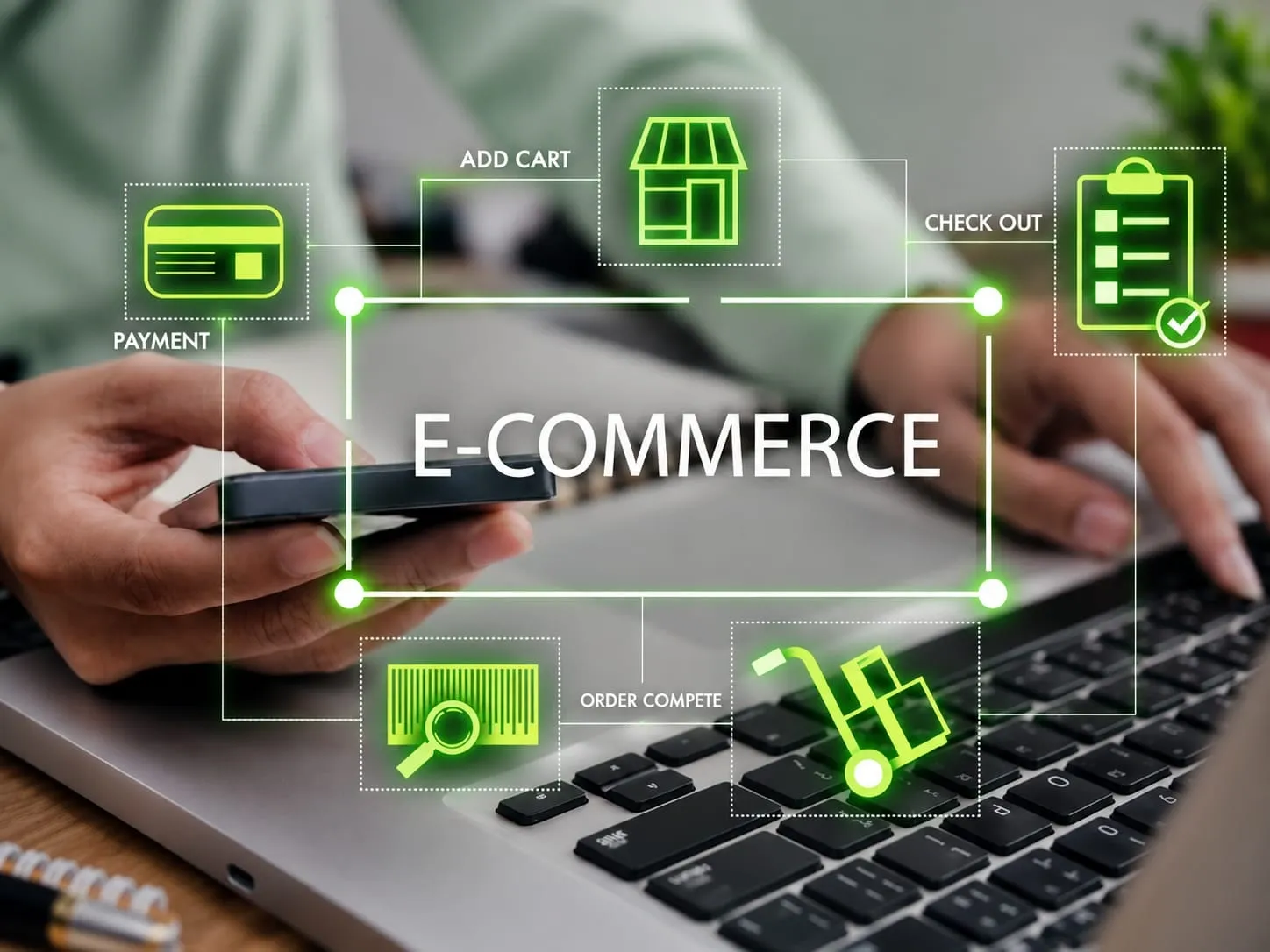
E-commerce success is a function of conversion rate as much as traffic volume — a store with strong traffic and weak conversion loses to a competitor with less traffic and a better checkout experience. Every layer, from product pages to ad targeting, has to work toward the same purchase decision.

B2B buying decisions involve multiple stakeholders and longer consideration periods, which means visibility and credibility need to be built well before a sales conversation ever starts. Generic consumer-marketing tactics rarely translate directly to how B2B buyers actually evaluate vendors.
| Industry | Primary Focus |
|---|---|
| Real Estate | Local SEO, buyer-intent ads, listing landing pages, lead qualification |
| Insurance | Trust-first content, compliance-aware messaging, lead qualification |
| Healthcare | Appointment-focused local SEO, Google Business Profile, patient trust signals |
| Automotive | Inventory-driven ads, local search visibility, service-lead generation |
| Travel | Seasonal campaign planning, visual-first social content, booking funnels |
| E-commerce | Shopify development, product SEO, purchase-intent ads, conversion optimization |
| B2B | LinkedIn outreach, content marketing, decision-maker lead generation |
These seven reflect where we've built the deepest, proven experience — not the limit of who we work with. The same discovery-first process (see Our Process →) applies regardless of industry: we learn how your specific buyers behave before recommending a single channel.
Talk to Us About Your Industry →Generic marketing gets generic results. Tell us about your business, and we'll show you what actually applies to your specific market.