
Most clients who come to us have been burned once already — a project that started with an exciting proposal and ended with a half-finished site, a generic strategy deck, or an agency that stopped responding after the invoice cleared. Our process exists to close that gap.


Whether it's a website build, a brand identity, an SEO engagement, or a full marketing system — the same six stages, so you always know what's happening, what's next, and why.
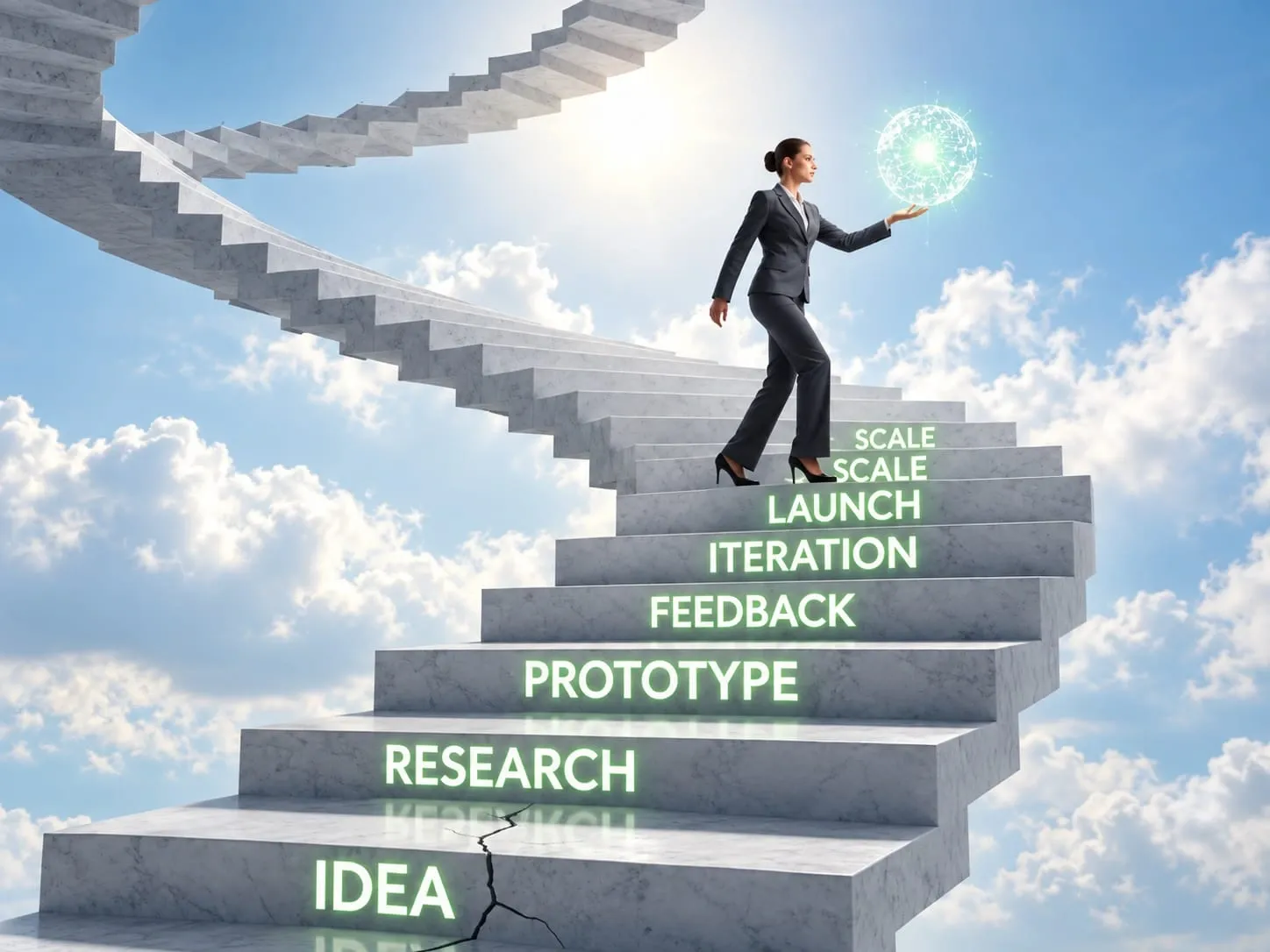
Every project starts with understanding, not assumptions. Before we propose a single design direction or campaign idea, we map your business, your goals, your audience, your competitors, and where your online presence currently stands.
A strategy built without this stage is a guess dressed up as a plan. Skipping discovery is the single most common reason marketing and web projects fail to produce results — the work gets done, but it was never aimed at the right target.
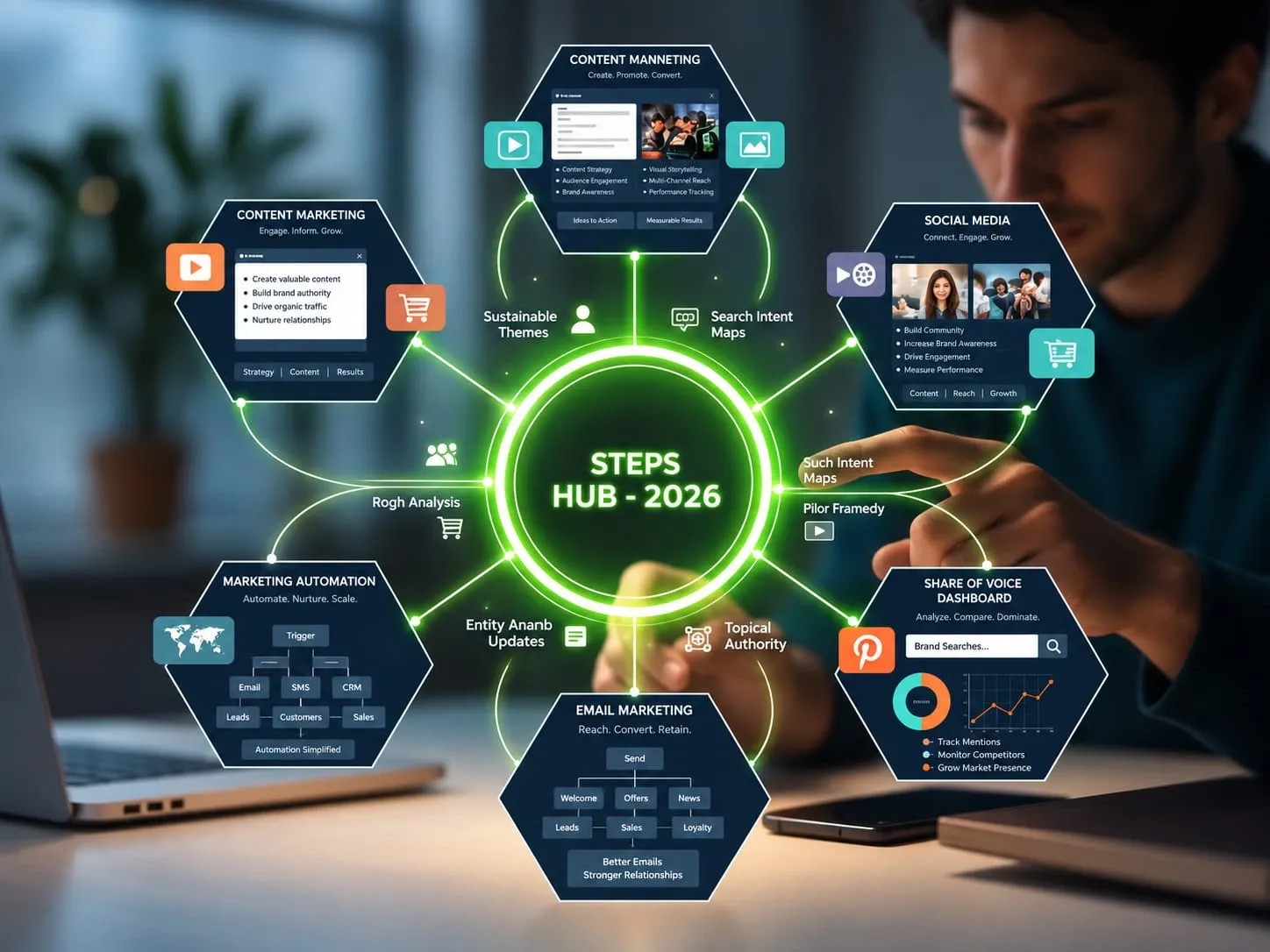
Discovery produces information. Strategy turns that information into direction. At this stage, we decide what actually needs to happen — whether that's a brand overhaul, a new website architecture, an SEO roadmap, a content plan, or a combined marketing system spanning multiple channels.
A strategy tailored to your specific business and market is what separates a project that produces results from one that simply produces deliverables. This is where "we'll do SEO and social media" becomes "here's exactly what we're doing, in what order, and why."

Strategy sets direction; planning makes it executable. Here, we define the exact scope, deliverables, timeline, priorities, and creative direction — so execution starts with clarity instead of ambiguity that causes delays later.
Most project delays and scope disputes trace back to this stage being skipped or rushed. A clear plan protects both the quality of the work and the relationship — everyone is working from the same definition of "done."

This is where the strategy and plan become real work: design, development, content, branding, SEO implementation, and marketing campaigns, all built by the team responsible for that discipline — not outsourced to a third party you've never spoken to.
Execution quality is what clients notice most, but it only works because of the discovery, strategy, and planning that preceded it. Skilled execution without direction still misses the target — this stage succeeds because of what came before it.

Nothing launches on the first draft. Before anything goes live, we review it critically, collect your feedback, test functionality and performance, and make the improvements needed to get it right — not just finished.
This is the stage most agencies compress or skip to hit a deadline — and it's exactly where avoidable launch-day problems come from. A rushed refinement stage is how a client ends up finding bugs their customers should never have seen.

Launch is not the finish line — it's the point where real data starts informing real decisions. Once everything is live, we monitor performance and use what the data shows to continuously improve and grow your digital presence.
A website or campaign that launches and is never touched again starts losing relevance immediately — algorithms change, competitors adjust, and your audience's behavior shifts. Long-term results come from what happens after launch, not just the launch itself.
You should never have to wonder what stage your project is in, what's coming next, or why a decision was made. Each stage produces a checkpoint — discovery findings, a strategy direction, a defined scope, visible work in progress, a refined deliverable, and a live result you can measure.
Nothing moves to the next stage without the previous one being confirmed — which is what prevents the two most common project failures: work built on the wrong assumptions, and scope that quietly expands without anyone agreeing to it.
See What We Deliver at Each Stage →

Tell us where your business is right now, and we'll walk you through exactly what the process looks like for your specific project — no generic proposal, no guesswork.